
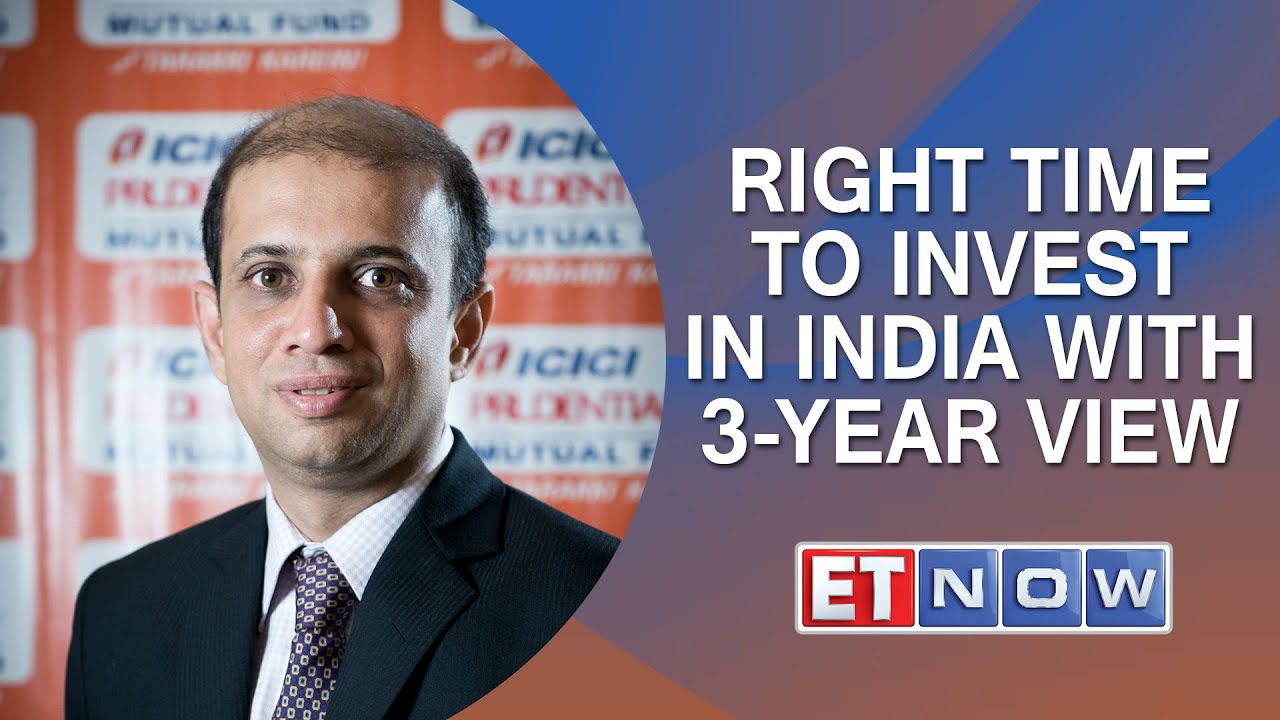
India remains a stable island in an uncertain world, says ICICI Pru AMC’s Nimesh Shah
Read Time:2 Minute, 36 Second
According to Shah, India’s domestic demand-driven economy provides some insulation from global shocks

- India remains stable amid global uncertainty, says Nimesh Shah
- Robust demand and positive economic signs boost growth
- Indian equity valuations now closer to historical averages
India remains stable even as global uncertainty persists, said Nimesh Shah, Managing Director, ICICI Prudential Asset Management Company, speaking at Shah said that while geopolitical tensions, rising interest rates in the West and technological disruptions such as artificial intelligence are adding to uncertainty globally, India remains relatively well positioned.
“Uncertainty is certain,” Shah said, noting that global markets are grappling with multiple unknowns. However, India’s economic fundamentals remain strong, with fiscal and current account deficits under control, healthier bank balance sheets and relatively low corporate leverage. “In a very volatile world, we are in a stable island called India,” he said.
According to Shah, India’s domestic demand-driven economy provides some insulation from global shocks. While the country has strong services exports, manufacturing exports remain limited, meaning global tariff-related disruptions have a relatively smaller direct impact on domestic industries.
However, he noted that financial markets remain globally interconnected and will continue to react to international developments, particularly interest rate movements in the US.
On market valuations, Shah said Indian equities were expensive in 2024 but the situation has improved. Over the past two years, corporate earnings have grown while the markets have largely remained flat, bringing valuations closer to historical averages.
“Earlier we were expensive compared to global markets and our own history. Today we are not expensive versus the world and are much closer to our historical valuation ranges,” he said.
Shah expects the impact of recent government policy support, including tax cuts, GST relief and liquidity measures, to play out over the next couple of years rather than immediately. As a result, earnings growth could strengthen in FY26 and FY27.
He pointed to rising consumption indicators such as higher cement demand, stronger power consumption, housing activity and resilient auto sales as signs that the domestic economy remains healthy.
Over the long term, Shah said markets tend to track earnings growth. With India’s nominal GDP growing at around 10–11 percent and corporate earnings historically expanding slightly faster, equity markets are likely to deliver similar returns over extended periods.
Meanwhile, the growing participation of domestic investors is reshaping market dynamics. The mutual fund industry has expanded from about one crore investors in 2018 to nearly six crore today, with monthly SIP inflows now exceeding Rs 30,000 crore.
Shah believes this steady stream of domestic savings is strengthening the role of domestic institutional investors. “DIIs today are strong enough that if FIIs want to exit, they can exit and we can give them an honourable exit,” he said.
However, he cautioned investors against chasing recent performance trends – whether in equities or gold – and stressed the importance of disciplined, goal-based investing. “Do not look at the rear-view mirror and drive the car,” Shah said, referring to the common tendency of investors to allocate money based solely on past returns.


Happy
0 %

Sad
0 %

Excited
0 %

Sleepy
0 %

Angry
0 %

Surprise
0 %
 0
0
 0
0







Average Rating