
Asian oil refiners could cut run rates on Hormuz strait logjam
Read Time:2 Minute, 45 Second
Some major processors are looking at run cuts of 20% to 30% as dozens of oil-laden tankers remain stuck in the Persian Gulf, said people with knowledge of these deliberations.
Major Asian markets like China, India, South Korea and Japan are among the most reliant on oil that needs to transit Hormuz, taking cargoes on long-term contracts from producers such as Saudi Arabia, Iraq and the United Arab Emirates.

- Asian refiners may cut output by up to 30% due to Hormuz risks
- China, Japan may cut rates due to crude supply concerns
- Maritime traffic through Hormuz plunged by about 80%
Asian oil refiners are considering reducing operating rates as the widening Middle East war and difficulties shipping through the Strait of Hormuz threaten their access to crude.
Some major processors are looking at run cuts of 20% to 30% as dozens of oil-laden tankers remain stuck in the Persian Gulf, said people with knowledge of these deliberations. Chinese and Japanese refiners — particularly state-owned and larger companies — are most likely to reduce rates, given their heavy reliance on crude from the gulf, said the people, asking not to be named as the information is private.
Major Asian markets like China, India, South Korea and Japan are among the most reliant on oil that needs to transit Hormuz, taking cargoes on long-term contracts from producers such as Saudi Arabia, Iraq and the United Arab Emirates. These shipments usually take about 15 to 30 days to arrive at ports across Asia, which makes them tough to replace from more distant sources in the Americas, Europe and Africa.
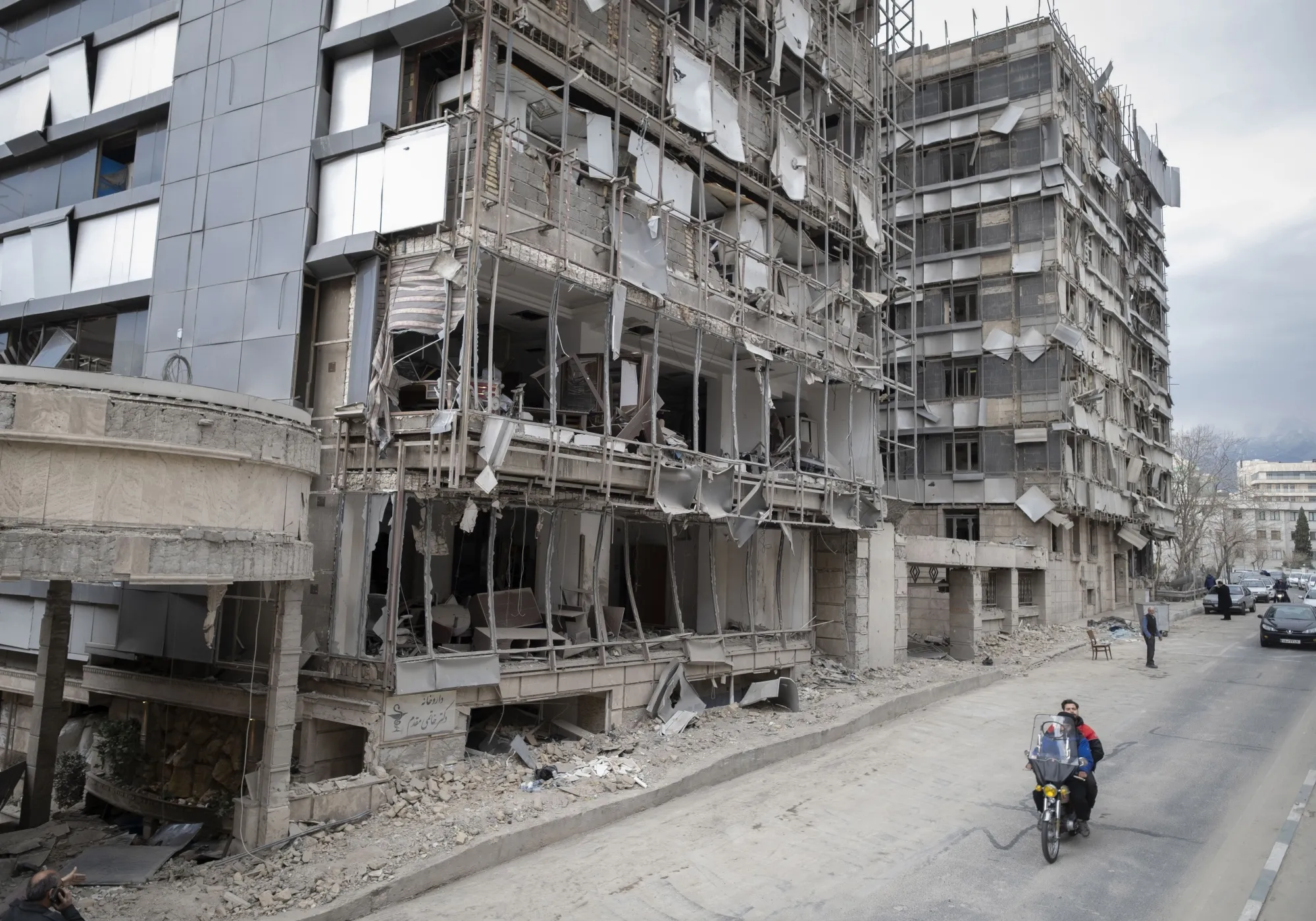
About a fifth of the world’s oil passes through the vital waterway, and the passage of ships has slowed dramatically since the weekend, when US and Israeli attacks on Iran escalated into a wider regional conflict. The Joint Maritime Information Center, a multinational naval advisory group, raised its security alert to the highest level, citing missile and drone attacks against multiple vessels. Maritime traffic through the conduit had plunged by about 80%, it said.
Refineries are cutting runs out of fear of not getting the Middle Eastern crude that they want, Anthony Yuen, a commodities analyst with Citigroup Inc., said in a video webcast. The price of alternative barrels from the Atlantic Basin will be very high given expensive freight costs, creating the “strange phenomenon” of processors reducing activity despite healthy fuel-producing profits, he said.
In China, state-owned plants such as several Cnooc Ltd. and China Petroleum & Chemical Corp. coastal facilities, and bigger private refiners like Zhejiang Petrochemical Co. are more vulnerable to the war in the Middle East. This is because, unlike the smaller independents, or teapots, they usually avoid buying sensitive crudes from Russia and Iran.
Iranian oil needs to transit Hormuz, although large volumes of the country’s crude on tankers at sea in Asian waters are creating a temporary buffer.
Refineries typically have at least two-to-three weeks of crude inventories to cushion them from any short-term delays or supply disruptions. Replacement options in Asia include oil from Middle Eastern producers that loads outside the Persian Gulf, regional crudes from Malaysia and Vietnam, as well as supplies in storage in China, South Korea and Japan.


Happy
0 %

Sad
0 %

Excited
0 %

Sleepy
0 %

Angry
0 %

Surprise
0 %
 0
0
 0
0






Average Rating