
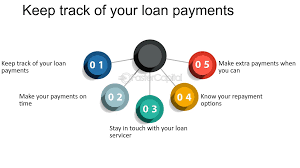
A simple way to keep track of all your loans without losing track
Read Time:2 Minute, 53 Second
When someone has more than one loan, keeping an overview of payments, due dates and balances becomes surprisingly important.

- List all loans with EMI, interest rate, and tenure for clarity
- Use a spreadsheet or app to track loans and due dates
- Update your tracker regularly to monitor progress and changes
It’s not unusual for people to have several loans at the same time. A home loan might run for decades, a car loan for a few years, and a credit card or personal loan may sit alongside them. Each of these comes with its own EMI, due date and outstanding balance.
Individually they are manageable. The problem usually appears when no one is looking at the full picture. Payments get scattered across different banks and apps, and it becomes easy to forget how much total debt actually exists.
Keeping track of everything in one place can make a noticeable difference.
Start by writing down every loan you currently have
The first step is surprisingly basic: list them all. Many people underestimate how helpful this is until they actually do it.
Include every loan and credit obligation—home loans, personal loans, car loans, education loans, and even credit card balances if they carry outstanding amounts. Alongside each one, note the lender, the EMI amount, the interest rate and the remaining tenure.
Looking at everything together will give a better picture of what your total financial obligations are.
Use a spreadsheet or a simple tracker
You can always use a spreadsheet if you are comfortable with it. A simple table with columns for each loan, EMI, interest rate, and due date can function as a personal finance dashboard.
Some people also prefer using personal finance apps that can track their loans and credit cards automatically.
Regardless of whether it is a spreadsheet or an app, the objective is the same: a single place to look at all loans.
Keep an eye on due dates and total EMIs
One advantage of tracking loans is that it can remind you to never miss a payment. If you have multiple loans with different due dates, it can get easy to miss a payment.
It can also be helpful to look at a list of all due dates so that you can plan ahead or maintain a certain balance before the EMI is withdrawn.
Another advantage is that it can give a better idea of the total EMI paid out each month. This can give an idea of how much of your salary goes into loan repayment.
Check your credit report occasionally
Another useful step is reviewing your credit report from time to time. Credit bureaus keep records of most loans and credit cards in your name.
Looking at the report occasionally helps confirm that all loans are recorded correctly and that no unfamiliar accounts appear.
It can also show whether repayments are being reported accurately.
Update the tracker whenever something changes
Loans change over time. Balances fall, some loans close, and new ones may appear. A tracker only works if it stays updated.
Adding small updates every few months keeps the overview accurate. It also makes it easier to see progress as loans gradually get paid off.
For many borrowers, the biggest advantage of tracking loans is clarity. Instead of thinking about each EMI separately, everything sits in one place. That simple overview often leads to better decisions about budgeting, repayments and future borrowing.


Happy
0 %

Sad
0 %

Excited
0 %

Sleepy
0 %

Angry
0 %

Surprise
0 %
 0
0
 0
0





Average Rating